rough guide to sea of thieves
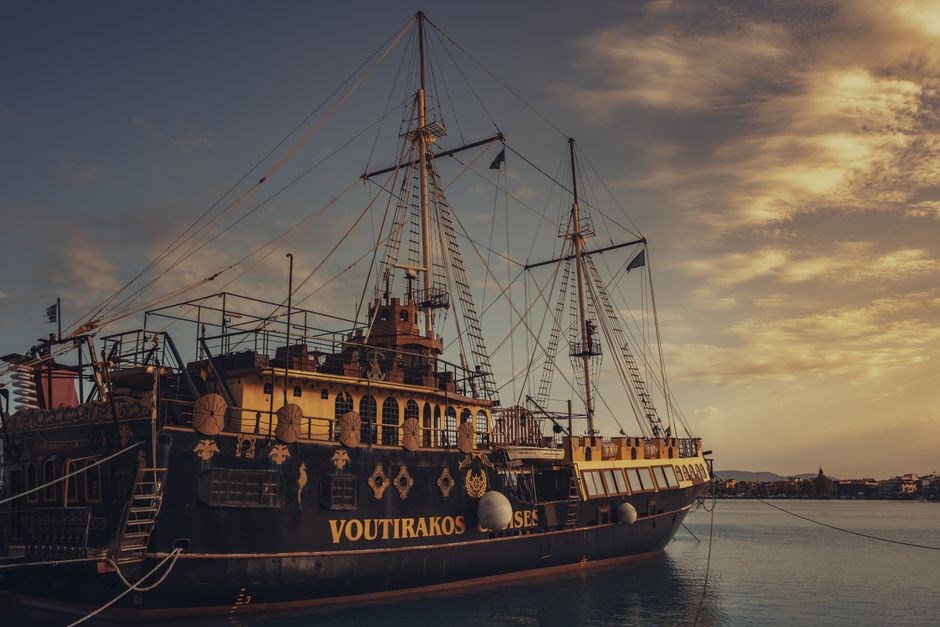
Explore the Sea of Thieves with Rough Guides’ definitive manual. Discover ancient islands, volcanic hotspots, and hidden shrines. Learn where to find the finest grog, trade company lore, and the best strategies for crew cooperation and survival. Navigate map’s secrets master art cannon fire to dominate seas.!!
Getting Started
Begin your voyage by selecting a character, customizing appearance, and choosing a ship type. Equip basic supplies, learn movement controls, and practice sailing basics. Join a crew or go solo, then set sail to explore islands, hunt treasure, and master sea combat. Sail on! Chart seas.
Character & Ship
Choosing the right avatar and vessel is the first step toward mastering the Sea of Thieves. Each character model offers unique cosmetic options—hats, tattoos, and color palettes—allowing you to craft a distinct pirate persona. While these choices do not affect gameplay mechanics, they provide a personal touch that can inspire confidence on the high seas.
Ships are categorized by size and role: the sleek Sloop is ideal for solo or duo play, offering speed and maneuverability; the sturdy Brigantine balances firepower and cargo capacity for larger crews; and the massive Galleon excels in group battles, boasting heavy cannons and ample storage. Each vessel requires a crew of at least two to operate effectively, with roles such as helmsman, gunner, and cook.
- Customization: Upgrade your ship’s sails, hull, and cannons to improve speed, durability, and firepower. Cosmetic upgrades include hull paint, flag colors, and decorative elements that can be purchased with gold or earned through quests.
- Maintenance: Keep your ship’s damage after battles, refilling cannonballs, and cleaning the deck. Neglecting maintenance can lead to reduced speed, impaired handling, and increased vulnerability to enemy fire.
- Navigation: Use the ship’s wheel to steer, the throttle to accelerate, and the anchor to secure the vessel at ports or during combat. Mastering these controls is essential for positioning your crew advantageously in skirmishes.
Before setting sail, ensure your crew is well‑equipped with basic supplies: grog for health regeneration, cannonballs for combat, and food for stamina. A well‑balanced inventory allows you to sustain long voyages, engage in battles, and explore uncharted territories without interruption.
Adventurers find that the best strategies blend cautious exploration with bold aggression. A balanced crew—helmsman, gunner, cook—lets players navigate treacherous waters, withstand enemy fire, and seize loot. Timing, such as firing cannons at the right moment or retreating when outmatched, can turn defeat into triumph. Mastering these nuances ensures every voyage is profitable and memorable.
These tactics, when practiced, build a reputation that attracts allies and deters foes, the encounter into a advantage!
Crew Roles
Each crew member has a vital function: the helmsman steers, the gunner loads cannons, the cook restores health, and the lookout spots danger. Coordinated teamwork maximizes speed, firepower, and survival, turning a simple voyage into a legendary adventure. Mastering roles builds great crew!.
Key Positions
On a Sea of Thieves vessel, the layout is crucial for efficient plunder and survival. The bow houses the forward lookout, who scans horizons for reefs, rival crews, and hidden coves. The stern is where the anchor is dropped and the ship’s ballast is managed, ensuring stability during storms. The main deck serves as the central hub for crew coordination, where weapons are stored, barrels are loaded, and the galley is located. The galley, tucked beneath the deck, is the heart of sustenance, where fresh grog is brewed and meals are prepared for the crew’s endurance. The cabin, usually at the rear, offers a private space for the captain to chart courses and for the crew to rest after a long voyage. Each position has a distinct purpose, and mastering the use of these spots can turn a chaotic raid into a well‑executed adventure. Properly assigning crew to these spots maximizes speed, firepower, and morale, making every journey a potential legend on the high seas.
Key positions on a pirate vessel are more than mere spots; they are strategic assets that shape the flow of battle and the rhythm of daily life. The bow’s lookout must maintain a keen eye on the horizon, reporting any approaching foes or hidden reefs. The stern’s anchor crew ensures the ship’s stability during storms, while the main deck’s gun crew coordinates cannon fire with precision. The galley’s cook keeps morale high by preparing hearty meals, and the cabin’s captain charts courses, making critical decisions that can alter the crew’s fate. Such mastery turns crew into formidable force today.!!
Map Regions
The Sea of Thieves world is divided into distinct zones, each offering unique challenges and treasures. Rough Guides details six primary regions: The Shores of Plenty, The Ancient Isles, The Wilds, The Devils Roar, The Sunken Kingdom, and The Sea of the Damned. These areas are separated by treacherous reefs, volcanic vents, and shifting currents that test even seasoned captains.
In the Shores of Plenty, players encounter bustling trade routes and merchant vessels, ideal for first‑time crews to practice navigation and combat. The Ancient Isles are dotted with towering monuments and hidden shrines, where ancient secrets and rare loot await those who can decipher cryptic riddles.
The Wilds present untamed wilderness, with dense forests and unpredictable weather, forcing crews to adapt quickly. The Devils Roar’s lava flows require careful timing. The Sunken Kingdom’s ruins hold rare artifacts, while the Sea of the Damned’s fog can disorient crews.
Each region offers distinct navigation challenges: the Shores of Plenty have shallow reefs and merchant convoys, Ancient Isles hide labyrinthine caves and relics, the Sunken Kingdom’s ruins hold rare artifacts, while the Sea of the Damned’s fog can disorient crews.
Map puzzle now.!!

Quests and Events
Embark on dynamic missions that evolve with the world. Seek legendary relics, rescue stranded allies, and battle rival crews. Random encounters, weather shifts, and time‑bound challenges keep every voyage fresh, ensuring that no two adventures feel the same. New maps. Seek!!! Sail!!!!
Trade Company Quests
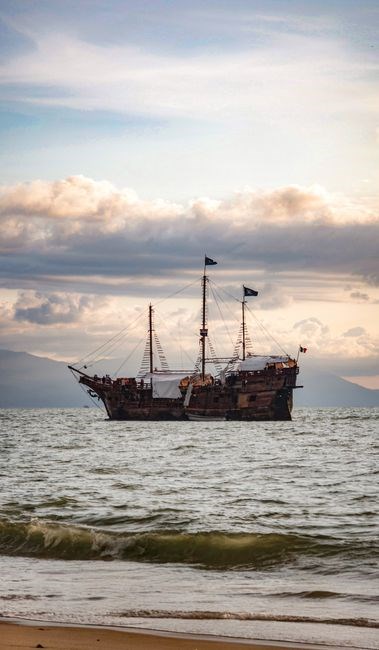
Trade company quests drive the Sea of Thieves economy, giving players a path to earn gold, reputation. Each company—Crimson Cutlass, Golden Galleon, Blackened Buccaneer, Emerald Enclave—offers missions from simple to complex. Players select a company at the trade post, receive a quest log, and tackle objectives. Players can trade loot and upgrade their ship. Daily rewards keep the game lively for all.
Special Events
During the Ashen and Coral event, the Sea of Thieves world is bathed in a mystical glow, as bioluminescent reefs pulse beneath the waves and the sky turns a deep amber hue, creating an atmosphere that feels both eerie and enchanting. Players are encouraged to gather Ashen Tokens and Coral Crystals, which can be exchanged for exclusive ship upgrades like the Ashen Hull, a reinforced frame that boosts durability against the event’s harsh weather, or the Coral Cannon, a decorative yet powerful weapon that fires a burst of bioluminescent fire, adding both flair and tactical advantage to the crew. The event also features a leaderboard that ranks crews based on their loot haul, encouraging friendly competition and strategic planning, while the leaderboard’s top spot grants a permanent badge that proudly displays the crew’s mastery of the seas, adding prestige to their reputation among the pirate community. At the end of the event, a grand finale is held where the most successful crews are awarded the coveted “Sea of Thieves: Ashen & Coral Champion” title, a permanent badge that symbolizes their dominance on the high seas, and the event’s final reward is a rare, one‑of‑a‑kind treasure chest that can be claimed by the crew with the highest score, ensuring that every participant feels the thrill of victory and the satisfaction of a well‑earned adventure. All rewards are granted instantly, now
PvP and Alliances
In Sea of Thieves, PvP thrives when crews raise the Offer Alliance flag, inviting nearby ships to join forces. Alliances grant shared loot, coordinated attacks, and collective defense against hostile players. The Bounty System rewards crews for eliminating rivals, boosting reputation, earning rewards.
Alliance Flag
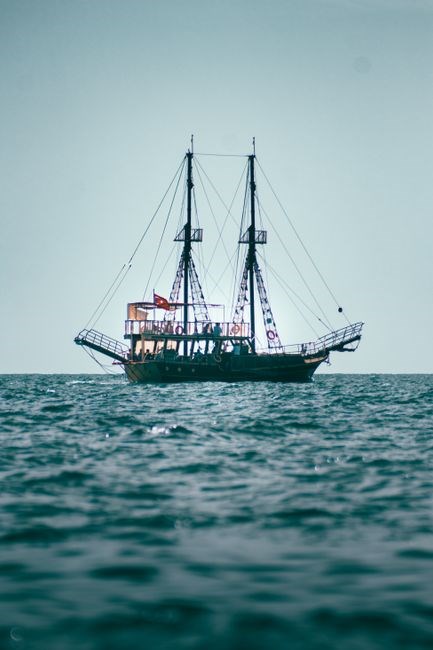
When you hoist the Offer Alliance flag from your ship’s mast, you broadcast a clear invitation to nearby vessels that you’re ready to form a temporary partnership. The flag is a simple, bright green banner that can be raised or lowered from the ship’s flagpole using the ship controls. Once the flag is up, any other player’s ship within visual range can see it and choose to join your alliance by raising their own flag. The alliance lasts until you lower the flag again or until the alliance is broken by a player’s death or by the flag being lowered. While the flag is raised, allied ships can share loot, coordinate attacks on hostile players, and work together to finish quests that require multiple crews. The flag also serves as a visual cue for PvP, letting other players know that you’re open to cooperation, which can deter hostile takeovers or encourage friendly engagements; Additionally, the flag can be used strategically to lure enemies into a trap or to signal a friendly rendezvous point for a larger crew. The Alliance flag is an essential tool for teamwork, allowing you to quickly form a coalition, share resources, and tackle the more challenging content that the Sea of Thieves world offers. It’s a simple yet powerful mechanic that underpins the cooperative spirit of the game, encouraging players to work together, share discoveries, and build a community on the high seas.
Players can use the flag to signal a ceasefire, allowing both sides to regroup or trade. The flag’s visibility across the horizon helps coordinate missions, enhancing reputation among pirates. It encourages cooperation strongly.!
Bounty System
The bounty system in Sea of Thieves rewards players for hunting down and capturing or killing other players. When a player is flagged as a bounty target, their ship’s hull takes a visible red mark, and a bounty icon appears above their mast. Other crews can claim the bounty by boarding the flagged ship, stealing its cargo, or destroying it. The amount of gold awarded depends on the target’s reputation level and the difficulty of the encounter. Bounties can be earned by completing trade company quests, defeating the Kraken, or by simply taking down rival crews; The system encourages strategic planning: players can choose to target low‑risk ships for quick gold or chase high‑risk, high‑reward vessels for larger payouts. Bounty rewards are added to the player’s personal loot chest and can be traded for rare items or used to upgrade the ship. The system also interacts with the Alliance flag; allied crews can share bounty rewards, but only the crew that captures the target receives the full payout. Players must be cautious, as other crews may also be hunting the same target, leading to intense ship‑to‑ship combat.Cargo hold, then decide whether to engage or negotiate Some players prefer to trade the captured loot for rare items, while others sell it for quick gold. The bounty system also encourages players who complete high‑risk missions, such as capturing a ship with a high reputation score, with larger payouts and increased notoriety among the pirate community. Players can also use the bounty system to target rival alliances, weakening their influence!!
Resources
Gather grog, gold, and rare loot across the map. Explore hidden coves, trade with companies, and raid enemy ships for valuable cargo. Use the in‑game map to locate treasure chests, merchant vessels, and legendary artifacts. Manage supplies wisely to survive long voyages. Collect rare spices for unique upgrades.
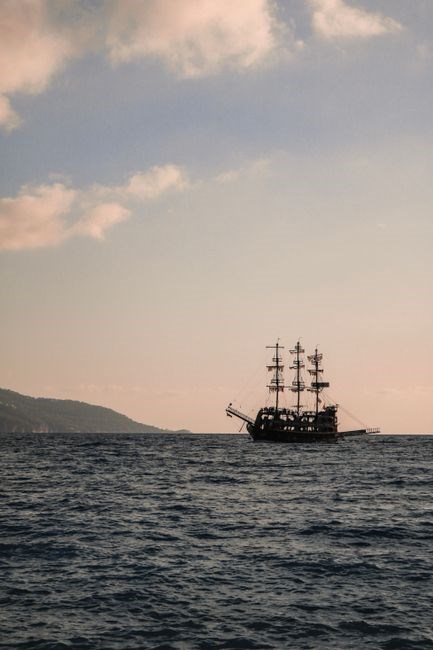
Grog and Loot
In the Sea of Thieves, grog is the lifeblood of any crew. The most coveted brews—such as the legendary “Grog of the Seven Seas” and the rare “Mysterious Dark Grog”—can be found in hidden coves, merchant vessels, or dropped by defeated enemies. Each bottle restores health, grants temporary buffs, and can be traded with trade companies for valuable items. Loot, on the other hand, ranges from simple gold coins to intricate artifacts. Treasure chests scattered across the map contain everything from silver bars to the coveted “Cursed Compass.” Rare loot, like the “Ancient Relic” or the “Legendary Cannon,” can be salvaged from wrecked ships or earned through quests. Players should prioritize collecting grog for immediate survival, then seek out high‑value loot to upgrade their ship and reputation. Remember to keep an eye on the in‑game map for marked locations that signal hidden caches, and always share findings with your crew to maximize collective gains. By mastering the art of gathering both grog and loot, a pirate can thrive in the ever‑shifting tides of the Sea of Thieves. Mastering grog consumption and loot acquisition demands vigilance, strategic trade, and crew cooperation. Prioritizing high‑value items like the “Golden Anchor” or “Emerald Compass” and ensuring ample grog supplies equips crews to face krakens, rival crews, and the ever‑shifting challenges of the sea. Consistent gathering and trading boosts reputation, unlocking exclusive quests and rare rewards that elevate a modest crew into a feared legend across the Seven Seas.!