inoperative see owners manual mercedes
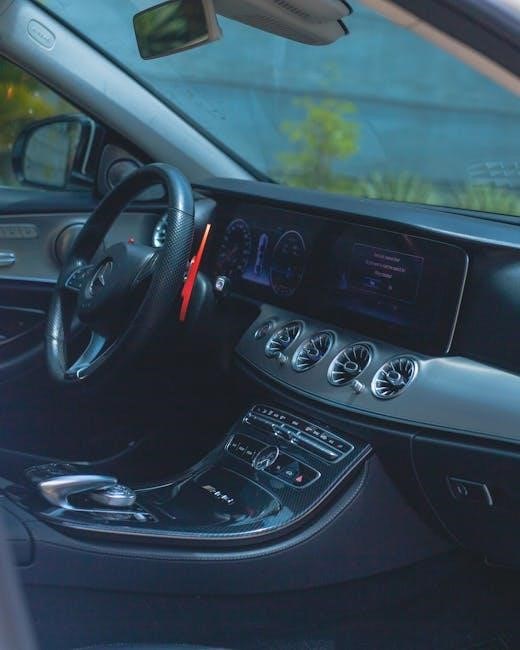
Inoperative Mercedes-Benz: A Comprehensive Guide – Referencing the Owner’s Manual
Navigating an inoperative Mercedes-Benz requires diligent owner’s manual consultation; this guide empowers you to understand your vehicle’s functions and potential issues․
Understanding the “Inoperative” Warning
The “Inoperative” warning on your Mercedes-Benz dashboard signals a system malfunction, demanding immediate attention․ This isn’t simply a suggestion; it’s a critical alert indicating a component or system isn’t functioning as designed, potentially impacting safety and drivability․ Your owner’s manual is the first, and often most valuable, resource․
It details specific meanings for this warning, varying by model and the affected system․ Ignoring this warning could lead to further damage or a complete breakdown․ The manual provides initial troubleshooting steps, helping you identify the problem’s scope․ It emphasizes the importance of consulting a qualified technician if the issue persists, ensuring accurate diagnosis and repair․ Understanding the warning’s context, as outlined in your manual, is paramount for responsible vehicle ownership․
The Importance of the Owner’s Manual
Your Mercedes-Benz owner’s manual isn’t just a collection of pages; it’s a comprehensive guide tailored specifically to your vehicle․ When facing an “Inoperative” warning, it becomes an indispensable tool․ It details the intricacies of your car’s systems, explaining normal operation and potential issues․
The manual offers crucial insights into warning light meanings, diagnostic procedures, and recommended maintenance schedules; It empowers you to understand your vehicle’s behavior and perform basic checks․ Furthermore, it provides information on locating key components like fuse boxes․ Accessing online versions, as mentioned, expands convenience․ Treating the owner’s manual as your primary resource fosters informed ownership and proactive vehicle care, ultimately minimizing unexpected inoperability․
Common “Inoperative” Issues & Initial Checks
An “Inoperative” warning can stem from diverse sources within your Mercedes-Benz․ Initial checks, guided by your owner’s manual, are vital․ Begin by verifying the battery connections – corrosion can cause issues․ Inspect easily accessible fuses related to the affected system․
Check fluid levels (oil, coolant, brake fluid) as deficiencies can trigger warnings․ A quick visual inspection for obvious damage, like loose wiring, is also prudent․ Refer to the manual for specific reset procedures for certain systems․ Remember, these are preliminary steps; a persistent “Inoperative” message necessitates deeper diagnostics, potentially requiring specialized tools and professional assistance․
Engine Related Inoperability
Engine-related inoperability in a Mercedes-Benz demands a systematic approach, starting with the owner’s manual․ A ‘no-start’ condition could indicate fuel or ignition system failures․ Check the fuel pump relay and fuel filter, referencing the manual’s diagrams․ Inspect spark plugs and ignition coils for damage or wear․
If the engine cranks but won’t start, suspect a crankshaft position sensor issue․ For poor running, examine the air intake system for obstructions․ Consult the manual for diagnostic flowcharts to pinpoint the root cause․ Remember, attempting repairs without proper knowledge can exacerbate the problem; professional diagnosis is often recommended․
No Start Conditions: Fuel System
When facing a ‘no-start’ due to fuel system issues, your Mercedes-Benz owner’s manual is crucial․ Begin by verifying fuel level; surprisingly, it’s a common oversight! Next, check the fuel pump relay and fuse – the manual details their locations․ Listen for the fuel pump priming sound when the ignition is turned on․
A faulty fuel filter can restrict fuel flow, preventing starting․ Inspect fuel lines for leaks or kinks․ The manual provides specifications for fuel pressure; testing this requires a gauge․ If issues persist, a failing fuel pump or fuel pressure regulator may be the culprit, necessitating professional attention․

No Start Conditions: Ignition System
Addressing a ‘no-start’ condition linked to the ignition system begins with consulting your Mercedes-Benz owner’s manual․ Verify the battery voltage – a weak battery can prevent ignition․ Inspect the ignition coil(s) for cracks or damage, and confirm proper connections․ Check the spark plug condition; worn or fouled plugs hinder ignition․
The manual details the location of the ignition control module and its associated fuses․ A faulty crankshaft position sensor (CKP) can disrupt ignition timing․ Utilize a spark tester to confirm spark at each cylinder․ If no spark is present, further diagnosis involving the ignition control module or wiring harness is required․
Engine Runs Poorly – Diagnostic Steps
When your Mercedes-Benz engine runs poorly, the owner’s manual is your first resource․ Begin by checking for obvious issues like vacuum leaks or loose connections․ A misfire can cause rough running; identify the affected cylinder using diagnostic tools, as outlined in the manual․ Inspect the fuel injectors for proper operation and cleanliness․
Consult the manual for specific diagnostic trouble codes (DTCs) related to engine performance․ A faulty Mass Airflow Sensor (MAF) or Oxygen Sensor (O2 sensor) can disrupt the air-fuel mixture․ Perform a smoke test to detect vacuum leaks․ Address any identified issues systematically, referencing the manual’s troubleshooting guides․
Electrical System Inoperability
Electrical issues in a Mercedes-Benz can range from simple fuse failures to complex module malfunctions․ Your owner’s manual details the location of fuse boxes and provides fuse identification charts – crucial for initial checks․ A completely dead system often points to a battery issue; testing voltage and connections is vital․
If the battery is sound, suspect the alternator․ Symptoms include dimming lights and warning indicators․ The manual outlines alternator testing procedures․ Investigate any unusual electrical behavior, like flickering lights or inoperative accessories, using the manual’s diagnostic flowcharts․ Remember safety precautions when working with electrical systems․
Battery Issues & Testing Procedures
A failing battery is a frequent cause of Mercedes-Benz inoperability․ Your owner’s manual provides specific battery specifications and testing guidelines․ Begin by visually inspecting the terminals for corrosion; clean them if necessary․ Use a multimeter to check the battery’s voltage – a healthy battery should read around 12․6 volts․
Perform a load test to assess the battery’s ability to deliver current under stress․ The manual details the proper load testing procedure․ If the battery fails these tests, replacement is necessary; Always disconnect the negative terminal first when removing the battery, and consult the manual for proper disposal instructions․
Alternator Malfunctions & Symptoms
An inoperative or malfunctioning alternator prevents the battery from recharging, leading to eventual vehicle shutdown․ Refer to your Mercedes-Benz owner’s manual for specific alternator testing procedures and voltage output specifications․ Common symptoms include a dimming of the dashboard lights, warning lights illuminating (battery or charging system), and unusual noises emanating from the engine compartment․
A voltmeter can confirm if the alternator is producing the correct voltage while the engine is running – typically between 13․5 and 14․5 volts․ If the voltage is significantly lower or absent, the alternator likely requires inspection or replacement․ Consult the manual for safe diagnostic steps․
Fuse Box Locations & Fuse Identification
When facing inoperability, checking fuses is a crucial first step, detailed within your Mercedes-Benz owner’s manual․ Multiple fuse boxes exist – typically located under the dashboard, in the engine compartment, and sometimes in the trunk․ The manual provides precise locations for your specific model․
Fuse identification is critical; each fuse is labeled corresponding to the circuit it protects․ A blown fuse appears with a broken filament․ Always replace a blown fuse with one of the exact same amperage rating, as specified in the owner’s manual․ Incorrect fuse usage can cause further damage and potential fire hazards․
Sensor Failures Leading to Inoperability

Numerous sensors govern Mercedes-Benz operation, and their failure often triggers inoperability․ Your owner’s manual details sensor locations and basic functionality․ Common culprits include the Mass Airflow (MAF), Oxygen (O2), and Crankshaft Position (CKP) sensors․ A faulty MAF can cause poor engine performance, while O2 sensor issues impact fuel efficiency and emissions․
CKP sensor failure frequently results in a no-start condition․ Diagnosing sensor problems often requires a diagnostic scan tool to read error codes․ The manual explains interpreting these codes․ Remember, accurate diagnosis, guided by the owner’s manual, is vital before replacing any sensor․
Mass Airflow Sensor (MAF) Problems
A malfunctioning Mass Airflow (MAF) sensor frequently causes driveability issues in Mercedes-Benz vehicles, potentially leading to inoperability․ The owner’s manual outlines the MAF’s role in measuring air entering the engine․ Symptoms include rough idling, stalling, poor acceleration, and reduced fuel economy․ Contamination, such as dirt or oil, is a common cause of MAF failure․
Testing the MAF often involves using a multimeter to check its output voltage․ Refer to the manual for specific voltage ranges․ Cleaning the sensor with MAF cleaner can sometimes resolve minor issues․ However, replacement may be necessary if the sensor is severely damaged or consistently provides inaccurate readings․
Oxygen Sensor (O2 Sensor) Issues
Oxygen (O2) sensors are crucial for monitoring exhaust gases and optimizing fuel mixture; failures can contribute to Mercedes-Benz inoperability․ Your owner’s manual details the O2 sensor’s function within the emissions control system․ Common symptoms of a faulty O2 sensor include a check engine light, decreased fuel efficiency, and engine hesitation․ Degradation over time, or contamination from oil or coolant, often causes sensor failure․

Diagnosis typically involves using a scan tool to read O2 sensor data․ The manual provides guidance on interpreting these readings․ Replacement is often the only solution for a failed O2 sensor, ensuring proper engine operation and emissions control․
Crankshaft Position Sensor (CKP) Failures
The Crankshaft Position Sensor (CKP) is vital for determining engine timing; a failure often results in a no-start condition for your Mercedes-Benz․ Refer to your owner’s manual for the CKP’s precise location and function within the ignition system․ Symptoms include engine cranking but failing to start, intermittent stalling, and a check engine light illuminated․ Wiring damage, sensor contamination, or internal sensor failure are common causes․
Diagnosis requires a scan tool to check for CKP-related diagnostic trouble codes (DTCs)․ The manual will guide you through interpreting these codes․ Replacement is usually necessary, and proper alignment is critical during installation․
Transmission Related Inoperability
Transmission issues causing inoperability in your Mercedes-Benz demand careful investigation, starting with your owner’s manual for specific guidance․ Problems can range from complete failure to shifting irregularities․ Initial checks involve verifying fluid levels – low fluid is a frequent culprit, especially in automatic transmissions․ Look for leaks around the transmission housing and lines․
For manual transmissions, assess clutch engagement; a slipping or unresponsive clutch can prevent proper gear selection․ Diagnostic trouble codes (DTCs) related to the Transmission Control Module (TCM) often indicate electronic issues․ The manual details TCM error interpretation and potential solutions․
Automatic Transmission Issues – Fluid Levels
Crucially, checking the automatic transmission fluid level is a primary step when diagnosing inoperability․ Your Mercedes-Benz owner’s manual provides the precise procedure, often involving a dipstick check with the engine running and warm․ Low fluid levels can cause slipping, harsh shifting, or complete transmission failure․
Inspect the fluid’s color and smell; burnt or dark fluid indicates overheating and potential internal damage․ Always use the Mercedes-Benz specified transmission fluid – using the incorrect type can cause severe problems․ Refer to the manual for fluid specifications and capacity․ Leaks should be identified and addressed promptly to prevent further fluid loss․

Manual Transmission Problems – Clutch Engagement
Difficulty engaging the clutch, or a clutch that feels spongy, can render a Mercedes-Benz with a manual transmission inoperative․ The owner’s manual details the expected clutch pedal feel and engagement point․ Check for proper clutch cable adjustment (if applicable) or hydraulic clutch system issues, like air in the lines or a failing master/slave cylinder․
A slipping clutch, indicated by high engine RPMs with little acceleration, suggests wear․ Inspect the clutch disc for damage․ Refer to the manual for torque specifications when replacing clutch components․ Ignoring clutch problems can lead to complete transmission failure and costly repairs, so prompt diagnosis is vital․
Transmission Control Module (TCM) Errors
An inoperative Mercedes-Benz automatic transmission often stems from Transmission Control Module (TCM) errors․ The owner’s manual provides a basic overview of the TCM’s function, but detailed diagnostics require a scan tool․ Common TCM issues include software glitches, internal failures, or communication problems with other vehicle systems․
Error codes retrieved via the diagnostic system pinpoint the source of the problem․ These codes, explained in the manual’s troubleshooting section, guide repair procedures․ Resetting the TCM may resolve minor issues, but persistent errors necessitate professional attention․ Ignoring TCM errors can lead to erratic shifting or complete transmission failure․
Braking System Inoperability
Addressing braking system inoperability in your Mercedes-Benz demands immediate attention; consult your owner’s manual for initial checks․ Reduced braking performance or a complete failure signifies a critical safety concern․ The manual details inspection procedures for brake pad wear, fluid levels, and potential leaks within the system․
Warning lights on the dashboard, such as the ABS indicator, provide crucial clues․ The manual explains the meaning of these lights and recommended actions․ Never attempt to drive a vehicle with compromised brakes․ Professional diagnosis is essential to identify and rectify the underlying issue, ensuring your safety and the safety of others․
ABS System Malfunctions & Warnings
An illuminated ABS warning light on your Mercedes-Benz dashboard signals a potential malfunction within the Anti-lock Braking System․ Your owner’s manual is the primary resource for understanding this warning and its implications․ While the vehicle may still brake, ABS assistance is unavailable, potentially increasing stopping distances, especially on slippery surfaces․
The manual details common causes, ranging from sensor failures to hydraulic unit issues․ Do not ignore this warning; a professional diagnostic scan is crucial to pinpoint the exact problem․ Continued driving with a faulty ABS system can compromise safety․ Refer to the manual for specific troubleshooting steps and recommended service procedures․
Brake Pad Wear & Replacement Indicators
Mercedes-Benz vehicles employ several indicators to alert drivers to brake pad wear․ Your owner’s manual details these systems, which often include audible wear sensors – a squealing or grinding noise during braking․ Some models feature electronic sensors connected to the dashboard warning lights․ Ignoring these signals can lead to metal-on-metal contact, damaging rotors and increasing stopping distances․
The manual provides guidance on visually inspecting pad thickness and understanding the replacement intervals․ It also outlines the proper procedure for replacing brake pads and rotors, emphasizing the importance of using genuine Mercedes-Benz parts․ Regular brake inspections, as outlined in the manual’s maintenance schedule, are vital for safety․
Brake Fluid Levels & Bleeding Procedures

Maintaining correct brake fluid levels is crucial for optimal braking performance in your Mercedes-Benz․ The owner’s manual specifies the correct fluid type and provides clear instructions for checking the reservoir level․ Low fluid can indicate a leak within the system, requiring immediate attention; Air in the brake lines compromises braking efficiency, necessitating a bleeding procedure․
Your manual details the proper bleeding sequence and techniques, often requiring a second person․ It emphasizes the importance of preventing air re-entry during the process․ Incorrect bleeding can lead to a spongy brake pedal and reduced stopping power․ Always refer to the manual for specific model instructions and safety precautions when working with brake fluid․
Steering System Inoperability
Experiencing steering issues in your Mercedes-Benz demands immediate investigation, starting with your owner’s manual․ It outlines potential causes, ranging from low power steering fluid to more complex mechanical failures․ Difficulty turning the wheel, unusual noises, or a feeling of looseness are key indicators․ The manual details how to safely check power steering fluid levels and identify potential leaks within the system․
Furthermore, it provides guidance on recognizing symptoms of steering rack problems or issues with the Electronic Steering Column Lock (ESCL)․ Always prioritize safety; attempting repairs without proper knowledge can exacerbate the problem․ Consult the manual for specific troubleshooting steps and recommended professional assistance․
Power Steering Fluid Levels & Leaks
Maintaining correct power steering fluid levels is crucial for effortless steering․ Your Mercedes-Benz owner’s manual provides precise instructions on locating the reservoir and checking the fluid level – typically marked with ‘min’ and ‘max’ indicators․ Low fluid can cause stiff steering and whining noises․ Inspect for leaks around the reservoir, hoses, and steering rack; even small drips indicate a problem needing attention․
The manual specifies the correct type of power steering fluid for your model, as using the wrong fluid can damage the system․ If a leak is detected, or fluid is consistently low, professional inspection is recommended to identify and repair the source of the leak, ensuring optimal steering performance and safety․
Steering Rack Issues & Symptoms
A failing steering rack can manifest in several ways, impacting vehicle control․ Your Mercedes-Benz owner’s manual details the steering system’s components and expected operation․ Symptoms include excessive play in the steering wheel, difficulty steering, especially at low speeds, and unusual noises like clunking or groaning when turning․ These sounds often originate from the steering rack area․
Internal wear or damage within the rack can cause leaks, reduced power assistance, and imprecise steering․ The manual emphasizes the importance of professional diagnosis for steering rack problems, as they directly affect safety․ Ignoring these symptoms can lead to complete steering failure, necessitating rack replacement or repair․
Electronic Steering Column Lock (ESCL) Problems
The Electronic Steering Column Lock (ESCL) is a security feature preventing steering when the ignition is off․ If inoperative, your Mercedes-Benz may exhibit a steering wheel locked even with the key present, or the key may not be recognized․ The owner’s manual outlines the ESCL’s reset procedures, often involving gentle steering wheel movement while inserting the key․
Electrical faults, a low battery, or a faulty ESCL module can trigger these issues․ Repeated failures suggest a deeper problem requiring diagnostic scanning․ Attempting to force the steering wheel can damage the system․ Consult the manual for specific troubleshooting steps and warnings regarding the ESCL, prioritizing professional assistance for complex cases․
Dashboard Warning Lights & Their Meaning
Mercedes-Benz dashboards employ a complex system of warning lights, signaling potential inoperability․ Your owner’s manual is crucial for deciphering these indicators; ignoring them can exacerbate issues․ Lights range from critical (red) – requiring immediate attention – to advisory (yellow/amber), indicating a developing problem․ Common lights include the check engine, ABS, battery, and oil pressure warnings․

The manual details each light’s specific meaning and recommended actions․ A flashing check engine light often signifies a severe engine misfire․ Understanding the difference between a solid and flashing light is vital․ Regularly reviewing the manual ensures you’re prepared to respond appropriately to any warning, preventing further damage and ensuring safe operation․
Using the Mercedes-Benz Diagnostic System
Modern Mercedes-Benz vehicles feature sophisticated diagnostic systems, often accessible through the vehicle’s onboard computer․ While professional tools offer comprehensive analysis, some basic functions are outlined in your owner’s manual․ These systems can reveal error codes related to inoperability, pinpointing affected components․ Accessing these diagnostics often involves navigating the instrument cluster menu using steering wheel controls․
The manual details the specific steps for your model․ Understanding how to retrieve and interpret basic diagnostic information empowers you to provide technicians with valuable insights․ However, remember that these systems are complex; professional diagnosis is often necessary for accurate assessment and repair, especially for intricate issues․

Locating Specific Troubleshooting Information in the Manual
Your Mercedes-Benz owner’s manual is structured to facilitate efficient troubleshooting․ Begin by referencing the index for “inoperative” or specific system failures (e․g․, “engine start failure”)․ Many manuals include dedicated sections for warning lights, detailing potential causes and recommended actions․ Look for chapters addressing common issues like electrical system problems or sensor malfunctions․
Pay close attention to diagrams and illustrations, which can aid in identifying component locations․ The manual often categorizes issues by symptom, guiding you through a logical diagnostic process․ Remember that the manual is a starting point; complex problems may require professional expertise․
Understanding Error Codes & DTCs
Diagnostic Trouble Codes (DTCs) are crucial when addressing an inoperative Mercedes-Benz․ Your owner’s manual may offer a basic overview of common DTCs, but a dedicated repair manual provides a comprehensive list․ These codes, often accessed via an OBD-II scanner, pinpoint specific system failures․

Understanding DTCs requires interpreting their meaning – a code like P0300 indicates random/multiple cylinder misfire․ The manual details the potential causes for each code, guiding your diagnostic steps․ However, a single code can have multiple causes, necessitating further investigation․ Always cross-reference DTCs with the symptoms observed to ensure accurate diagnosis․
When to Seek Professional Assistance
Despite diligent use of your Mercedes-Benz owner’s manual, certain inoperability issues demand professional expertise․ If you encounter complex electrical faults, transmission problems, or ABS malfunctions, a qualified technician is essential․ Attempting repairs beyond your skill level can exacerbate the issue and lead to costly damage․

Furthermore, if you lack the necessary diagnostic tools – like a Mercedes-Benz specific scanner – or struggle to interpret error codes, professional help is advisable․ Safety-critical systems, such as brakes and steering, should always be addressed by a certified mechanic․ Don’t hesitate to seek assistance when facing uncertainty․
Mercedes-Benz Specific Tools Required for Diagnosis
Diagnosing inoperability in a Mercedes-Benz often necessitates specialized tools beyond standard automotive equipment․ A Mercedes-Benz-compatible diagnostic scanner is crucial for accessing proprietary error codes (DTCs) and live data streams․ Multimeters are essential for electrical system testing, verifying voltage and continuity․
Specialized tools for specific systems, like fuel pressure testers or compression testers, may be required depending on the issue․ Access to the Mercedes-Benz WIS (Workshop Information System) provides detailed repair procedures and technical bulletins․ Proper tools ensure accurate diagnosis and prevent further damage during repair attempts, complementing owner’s manual guidance․
Resources for Obtaining Owner’s Manuals Online
Locating your Mercedes-Benz owner’s manual online is often straightforward․ The official Mercedes-Benz website frequently offers downloadable manuals for many models, providing crucial information for addressing inoperability issues․ Several third-party websites specialize in automotive manuals, offering both free and paid options․
Online forums dedicated to Mercedes-Benz vehicles can be valuable resources, with members often sharing links to manuals or providing guidance․ Digital copies can save space and offer convenient search functionality․ Always verify the manual’s compatibility with your specific model year and trim level for accurate troubleshooting information․
Common Mercedes-Benz Model Specific Inoperability Issues (W202 Example)
The Mercedes-Benz W202 C-Class, while robust, exhibits common inoperability issues․ Frequent problems include failures within the automatic transmission, often linked to conductor plate deterioration or valve body malfunctions․ Electrical gremlins, such as issues with the instrument cluster or central locking system, are also prevalent․
Rust, particularly in older models, can affect wiring harnesses and structural components, leading to intermittent failures․ Referencing the W202’s owner’s manual is vital for understanding specific diagnostic procedures and component locations․ Addressing these issues promptly, guided by the manual, can prevent further complications․
Preventative Maintenance to Avoid Inoperability
Proactive maintenance is crucial for preventing Mercedes-Benz inoperability․ Regularly scheduled fluid checks – engine oil, coolant, brake fluid, and transmission fluid – are paramount, as outlined in your owner’s manual․ Adhering to the recommended service intervals for spark plugs, air filters, and fuel filters maintains optimal engine performance․
Inspect belts and hoses for wear and tear, and address any corrosion promptly․ Battery health should be routinely tested, and the charging system verified․ Following the owner’s manual’s guidance minimizes the risk of unexpected breakdowns and ensures long-term reliability․