manual transmission gearbox problems

Manual transmissions, while durable, are susceptible to issues; understanding these potential gearbox problems is crucial for vehicle longevity and safe operation․
Resources like ManualsLib offer access to a vast collection of manuals from manufacturers like Aisin, Allison, Yamaha, and Samsung, aiding in diagnosis․
These manuals, alongside those from Kenmore, Honda, Craftsman, Epson, Philips, and LG, provide valuable insights into component function and repair procedures․
What is a Manual Transmission?
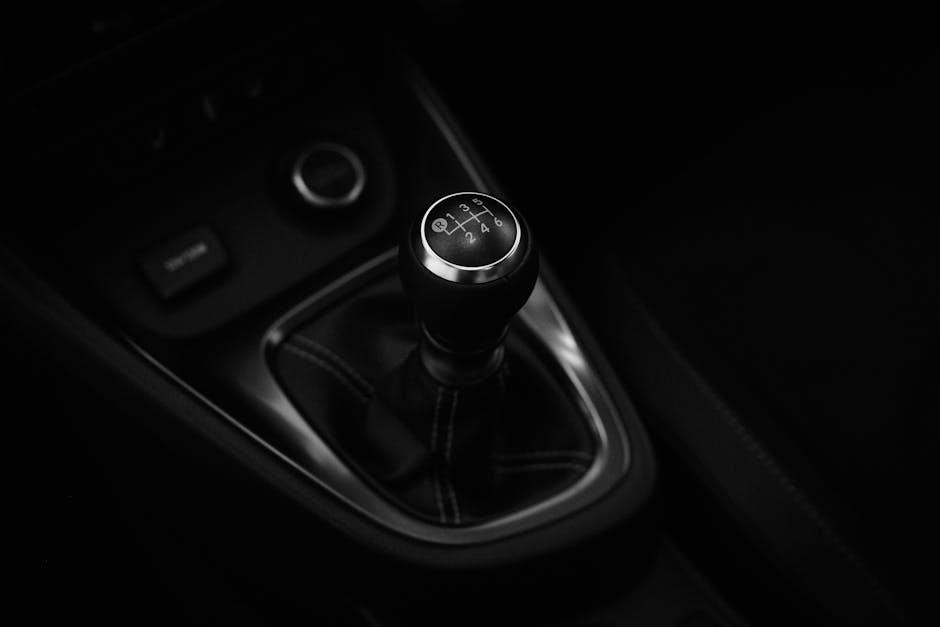
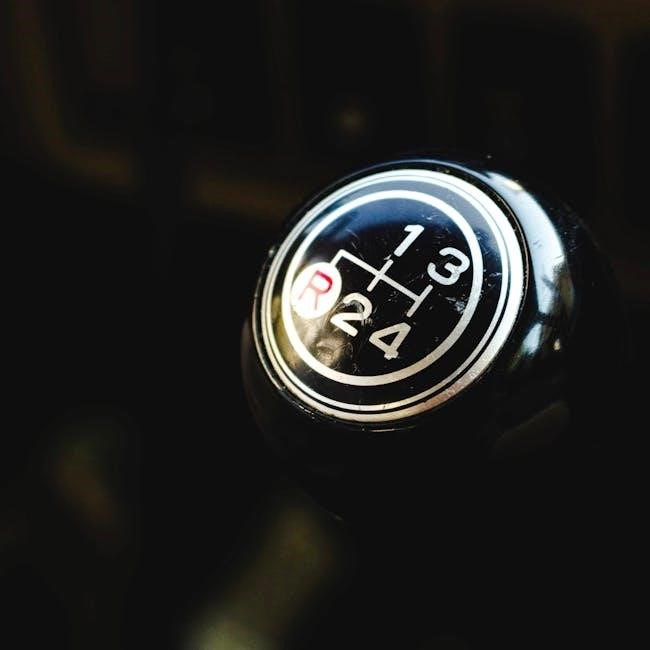
A manual transmission, also known as a standard transmission, is a type of gearbox that allows the driver to manually select gears using a gear stick and clutch pedal․
Unlike automatic transmissions, which shift gears automatically, manual transmissions require the driver to control the gear changes, offering a more direct connection to the engine․
This system utilizes a series of gears to adjust the speed and torque output of the engine, enabling the vehicle to operate efficiently at various speeds․
Understanding the intricacies of these systems is aided by resources like ManualsLib, which hosts manuals from manufacturers like Aisin and Allison, specializing in transmission technology․
These manuals, alongside those from Yamaha, Samsung, Kenmore, Honda, Craftsman, Epson, Philips, and LG, provide detailed schematics and operational guides for various mechanical systems․
Proper operation relies on synchronizers and fluid levels, areas prone to issues as detailed in available service documentation․
Why Manual Transmissions Fail
Manual transmissions can fail due to a variety of factors, primarily stemming from wear and tear, improper use, or lack of maintenance․
Common causes include worn synchronizers, low or contaminated transmission fluid, and damage to gears or bearings․
Aggressive driving habits, such as harsh shifting or “riding the clutch,” accelerate wear and can lead to premature failure․
Neglecting regular fluid changes allows debris to accumulate, increasing friction and causing component damage․
Access to detailed repair information, such as that found on ManualsLib from manufacturers like Aisin and Allison, is crucial for understanding failure points․
Resources from Yamaha, Samsung, Kenmore, Honda, Craftsman, Epson, Philips, and LG offer insights into mechanical systems, aiding in diagnosis and repair․
Ultimately, consistent preventative maintenance is key to extending the lifespan of a manual transmission․
Common Manual Transmission Problems
Frequent issues include difficulty shifting, grinding noises, clutch malfunctions, fluid leaks, gears popping out, and unusual sounds—requiring expert attention․
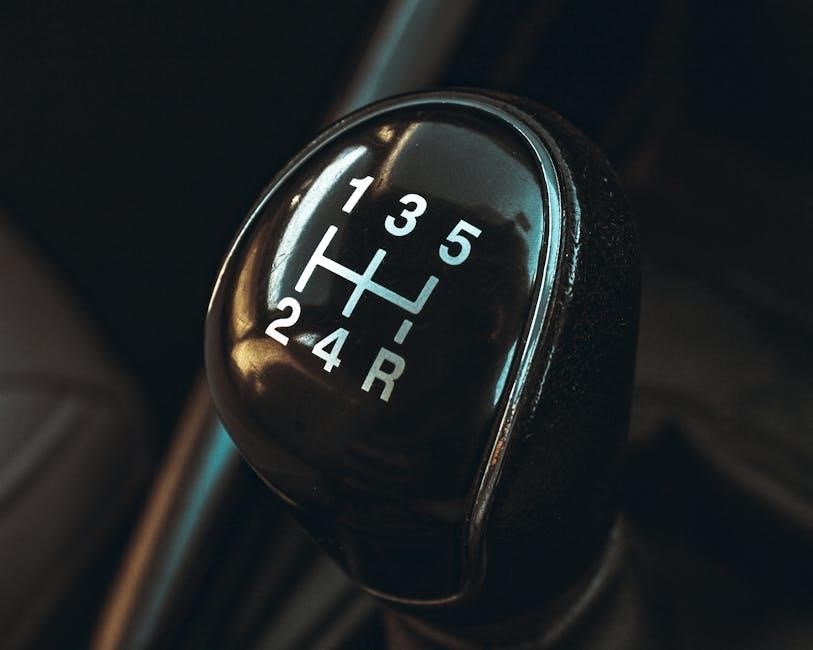
Difficulty Shifting Gears
Experiencing trouble getting into gear is a common symptom of underlying manual transmission issues․ This can manifest as a general stiffness, requiring excessive force, or an inability to select certain gears altogether․ Several factors contribute to this problem, often stemming from wear and tear within the transmission itself․
One primary cause is worn synchronizers, crucial components responsible for matching the speeds of the gears during shifts․ As they degrade, smooth engagement becomes difficult․ Another frequent culprit is low transmission fluid, which provides necessary lubrication and hydraulic pressure for proper operation․ Insufficient fluid hinders the gear’s ability to mesh correctly․
Accessing resources like ManualsLib, with manuals from manufacturers like Aisin and Allison, can provide detailed diagrams and troubleshooting steps to pinpoint the exact cause and potential solutions for these shifting difficulties․
Worn Synchronizers
Synchronizers are vital components within a manual transmission, responsible for seamlessly matching the rotational speed of the gear being selected with the main shaft․ This synchronization prevents grinding and allows for smooth gear changes․ Over time, these synchronizers experience wear due to constant friction during shifting․
As the synchronizer rings and sleeves wear, their ability to effectively equalize speeds diminishes, leading to difficulty engaging gears, particularly when shifting quickly or into higher gears․ A telltale sign of worn synchronizers is a noticeable grinding sound, even with proper clutch engagement․ Resources like those found on ManualsLib, including Aisin and Allison manuals, detail the construction and function of these parts․
Ultimately, severely worn synchronizers necessitate replacement to restore proper shifting performance and prevent further damage to the transmission․
Low Transmission Fluid
Maintaining the correct transmission fluid level is paramount for smooth operation and longevity of a manual gearbox․ Transmission fluid lubricates internal components, reduces friction, and helps regulate temperature․ A low fluid level compromises these functions, leading to a variety of problems․
Insufficient lubrication causes increased wear on gears and bearings, potentially resulting in grinding noises and difficulty shifting․ It can also lead to overheating, accelerating component degradation․ Leaks are a common cause of low fluid, and regular inspections are crucial․ Accessing manufacturer-specific information, such as manuals available through ManualsLib – including resources from Yamaha, Samsung, and Honda – can help pinpoint fluid specifications and check procedures․
Promptly addressing low fluid levels and identifying the source of any leaks is essential to prevent more extensive and costly repairs․
Grinding Noises During Shifting
Grinding noises when shifting gears are a clear indication of a problem within the manual transmission․ This often signifies that gears aren’t fully engaging or disengaging, causing a metallic scraping sound․ Several factors can contribute to this issue, including worn synchronizers, a low transmission fluid level, or damaged gear teeth․
The synchronizers’ role is to match the speed of the gears before engagement; when worn, they struggle to perform this function effectively․ Utilizing resources like ManualsLib, with manuals from manufacturers like Aisin and Allison, can provide detailed diagrams and troubleshooting steps; Proper diagnosis is crucial, as ignoring grinding noises can lead to further damage and potentially complete transmission failure․
Regular maintenance and prompt attention to unusual sounds are key to preventing costly repairs․
Clutch-Related Issues
Clutch problems frequently mimic manual transmission issues, making accurate diagnosis essential․ Symptoms include difficulty shifting, slipping, or a pedal that feels spongy or unresponsive․ A worn clutch disc is a common culprit, losing its friction material over time and preventing proper power transfer․
Faulty clutch master or slave cylinders can also cause issues, leading to insufficient hydraulic pressure and incomplete clutch engagement․ Accessing service manuals through resources like ManualsLib – offering documentation from brands like Yamaha and Samsung – can aid in identifying specific component failures․
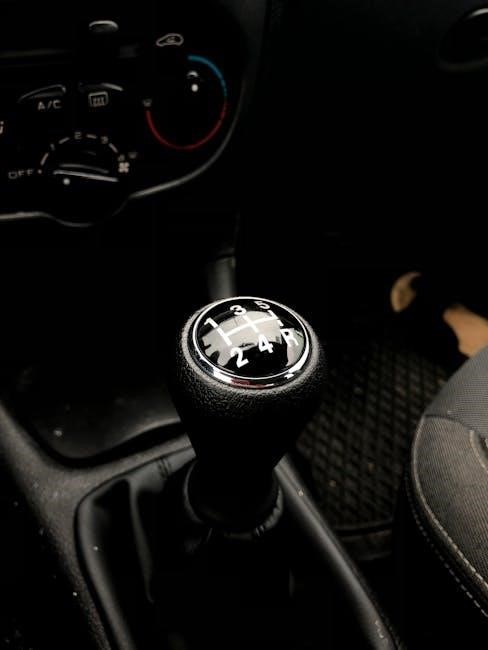
Ignoring clutch-related symptoms can accelerate wear on other transmission components, leading to more extensive and expensive repairs․ Regular inspection and timely replacement are vital․
Worn Clutch Disc
A worn clutch disc is a frequent cause of clutch-related problems in manual transmissions․ Over time, the friction material on the disc gradually wears away due to constant engagement and disengagement during gear changes․ This diminished friction results in clutch slippage, where the engine revs higher without a corresponding increase in vehicle speed․
Symptoms include a high clutch pedal, difficulty engaging gears, and a burning smell․ Resources like ManualsLib, with manuals from manufacturers like Honda and Epson, can provide detailed diagrams and specifications for clutch disc inspection and replacement․
Ignoring a worn clutch disc can lead to further damage to the flywheel and pressure plate, escalating repair costs․ Timely replacement is crucial for maintaining optimal transmission performance․
Faulty Clutch Master/Slave Cylinder
The clutch master and slave cylinders are hydraulic components vital for transferring force from the clutch pedal to the clutch fork․ A faulty master cylinder can fail to build sufficient pressure, resulting in a spongy pedal feel or difficulty disengaging the clutch․ Conversely, a failing slave cylinder may leak fluid or become unresponsive, preventing proper clutch operation․
Symptoms include a soft or sinking clutch pedal, difficulty shifting gears, and, in severe cases, an inability to disengage the clutch altogether․ Accessing detailed repair information through resources like ManualsLib, with manuals from manufacturers like Yamaha and Philips, can aid in diagnosis and repair․
Leaks within the system are common indicators, requiring immediate attention to prevent further damage and ensure safe vehicle operation․
Transmission Fluid Leaks
Transmission fluid leaks are a common sign of manual transmission problems, often stemming from worn seals, gaskets, or damaged housings․ Low fluid levels can lead to insufficient lubrication, causing increased friction and wear on internal components․ Identifying the source of the leak is crucial, as continued operation with low fluid can result in significant and costly damage․
Leaks can manifest as drips under the vehicle or visible fluid accumulation around the transmission case․ Resources like ManualsLib, offering manuals from brands like Aisin and Allison, can provide detailed diagrams and repair procedures․
Regular fluid checks, as recommended in preventative maintenance guides, are essential for early detection and mitigation of potential leak issues․
Popping Out of Gear
Experiencing your manual transmission unexpectedly “popping” out of gear while driving is a concerning symptom, often indicating internal wear or damage․ This issue typically arises from worn synchronizers, shift forks, or detent pins – components responsible for securely engaging each gear․ Ignoring this problem can lead to complete transmission failure and potentially dangerous driving conditions․
The problem can occur in one specific gear or across multiple gears․ Accessing detailed repair information through resources like ManualsLib, with manuals from manufacturers like Yamaha and Samsung, can aid in diagnosis and repair․
Proper diagnosis requires a skilled technician to inspect the internal components and identify the root cause of the disengagement․
Noise from the Transmission
Unusual noises emanating from your manual transmission are strong indicators of underlying mechanical issues․ These sounds can range from whining or humming to clicking, grinding, or even a loud clunking․ Identifying the type of noise is crucial for pinpointing the source of the problem․ Often, worn bearings or damaged gears are the culprits, creating friction and vibration within the gearbox․
Resources like ManualsLib, offering manuals from brands like Honda and Epson, can provide schematics and troubleshooting guides to assist in diagnosis․ Ignoring these noises can lead to catastrophic failure, requiring a complete transmission rebuild or replacement․
A professional inspection is vital to accurately assess the damage and recommend the appropriate repair․
Worn Bearings
Worn bearings within the manual transmission are a frequent cause of noise and eventual failure․ These bearings support the rotating shafts and gears, reducing friction and ensuring smooth operation․ Over time, and with mileage, they can become pitted, cracked, or lose their lubrication, leading to increased play and vibration․
This manifests as a whining, humming, or growling sound, often changing with vehicle speed․ Accessing manuals from manufacturers like Aisin (through resources like ManualsLib) can help identify bearing locations and proper replacement procedures․ Ignoring worn bearings accelerates wear on other transmission components, like gears․
Prompt replacement is crucial to prevent further damage and costly repairs․
Damaged Gears
Damaged gears represent a significant issue within a manual transmission, often resulting in loud noises and complete loss of drive․ This damage can stem from several factors, including worn bearings (allowing excessive shaft movement), improper lubrication, or aggressive shifting practices․ Chipped, cracked, or completely broken teeth prevent efficient power transfer․
Symptoms include grinding, clunking, or a complete inability to engage certain gears․ Utilizing service manuals – accessible through platforms like ManualsLib, covering brands like Allison and Yamaha – is vital for identifying gear types and proper inspection techniques․
Repair typically involves a complete transmission rebuild or replacement, as individual gear replacement can be complex․ Ignoring damaged gears leads to catastrophic failure․
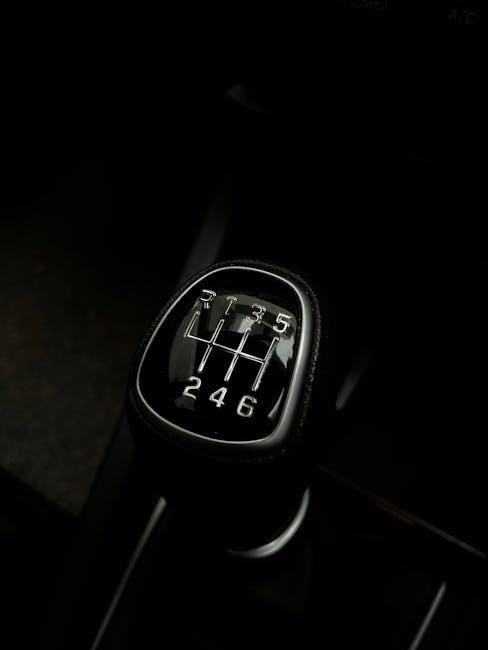
Diagnosis and Repair
Accurate diagnosis, aided by manuals from sources like ManualsLib (Aisin, Honda, Epson), is key; professional inspection often reveals the root cause of transmission issues․
Professional Inspection
A comprehensive professional inspection is paramount when facing manual transmission problems․ Qualified technicians utilize specialized tools and expertise to accurately pinpoint the source of the issue, going beyond simple symptom observation․
They will assess the clutch system, shift linkage, and the transmission itself, checking for wear, damage, and leaks․ Accessing detailed service manuals – readily available through resources like ManualsLib, encompassing brands like Yamaha, Samsung, and Kenmore – is crucial for proper diagnostic procedures․
This ensures adherence to manufacturer specifications․ The inspection includes internal component evaluation, potentially requiring transmission disassembly․ A skilled technician can identify worn synchronizers, damaged gears, or failing bearings, utilizing knowledge gleaned from Honda, Craftsman, and Epson manuals to guide their assessment and recommend appropriate repair strategies․
Fluid Check and Replacement
Regularly checking and replacing manual transmission fluid is a vital preventative measure․ Low or contaminated fluid can lead to shifting difficulties and internal damage, exacerbating gearbox problems․ Technicians will inspect the fluid’s level, color, and condition, looking for signs of wear or contamination․
Referencing service manuals from sources like ManualsLib – including documentation for brands like Philips and LG – ensures the correct fluid type is used, as specifications vary between vehicles․ A complete fluid flush and replacement removes old fluid and debris, restoring proper lubrication and cooling․
This process often involves carefully following procedures outlined in Aisin or Allison Transmission manuals․ Proper fluid maintenance, alongside inspections guided by Epson and Samsung documentation, significantly extends transmission life and prevents costly repairs․

Preventative Maintenance
Proactive care, including regular fluid changes and adopting smooth driving habits, is essential for minimizing manual transmission wear and preventing future gearbox issues․
Regular Fluid Changes
Maintaining the correct level and quality of transmission fluid is paramount for a healthy manual gearbox․ Over time, fluid breaks down, losing its lubricating properties and ability to effectively cool the internal components․ This degradation contributes significantly to wear and tear on synchronizers, bearings, and gears․
Consulting resources like those available on ManualsLib – encompassing manuals from manufacturers like Aisin, Allison, and others – will provide specific fluid recommendations for your vehicle’s transmission․ Following the manufacturer’s recommended service intervals for fluid changes, often found within these manuals, is crucial․
Neglecting fluid changes can lead to increased friction, heat buildup, and ultimately, costly repairs․ Regular inspection for leaks, alongside timely fluid replacement, represents a simple yet highly effective preventative measure against common manual transmission problems․
Proper Driving Habits
How you operate a vehicle with a manual transmission significantly impacts its longevity․ Avoid harsh shifting, aggressive acceleration, and “riding the clutch,” as these habits place undue stress on the gearbox components․ Smooth, deliberate gear changes minimize wear on synchronizers and gears, extending their lifespan․
Resources like ManualsLib, offering manuals from diverse manufacturers – including Yamaha, Samsung, and Honda – often detail optimal driving techniques for specific transmissions․ Fully depressing the clutch pedal during shifts and avoiding abrupt downshifts are essential practices․
Understanding the transmission’s limitations and operating within those parameters, guided by information found in owner’s and service manuals, will contribute to fewer gearbox problems and a more enjoyable driving experience․ Gentle operation is key to preventative maintenance․